What Partnership Makes Possible
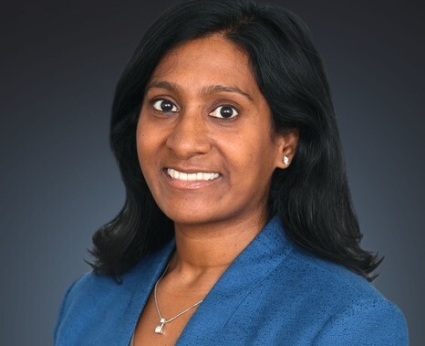
By Aparna Mekala, MPH, CEO, Primary Care Development Corporation
This summer, I found myself talking with a lot of people.
Some conversations were with foundations at Grantmakers In Health. Others were in North Carolina, where I spent time with health center leaders, payers, researchers, and other new partners across the primary care community. I joined national organizations at the launch of the Triple Double campaign, and, at NACHC CHI, I heard directly from health centers about the challenges they are facing and the solutions they need to tackle the headwinds of Medicaid changes.
The most interesting discussions rarely ended where they started.
We might have started by talking about health centers’ clinical operations or how policy can support increasing investment in primary care. Then someone would say, “You should talk to…” or “We’re seeing the same thing…” or “What if we worked on this together?” One relationship opened the door to another. A newly sparked idea became a possibility, and a possibility became something we could act on.
It made me think differently about what partnership really means.
Partnership isn’t always about working on the same project. Sometimes it’s sharing what you’re seeing, making an introduction, challenging an assumption, or bringing a different perspective to a problem. And sometimes it means meeting each other in a difficult moment and finding a way forward together.
We see it in our capital work. At a time when the cost of capital remains high — and when many of the primary care organizations we serve can least afford it to be — our banking partners are working with us to find solutions. We’re also having exciting conversations with impact investors about how they can help PCDC increase access to affordable capital.
We see this commitment in partnership in our consulting and policy work Eden Hall Foundation, for example, enable us to bring national lessons to local challenges in southwestern Pennsylvania. The New York Health Foundation collaborates with us to inform health care policy and practice to build a better, more equitable care health system.
We see it through the Primary Care Investment Network, where partners across the country are learning from one another and advancing a shared commitment to primary care. And we see it with our Board of Directors, whose perspective, relationships, counsel, and commitment strengthen PCDC and our work.
I’m increasingly convinced that one of PCDC’s greatest strengths isn’t simply our expertise or capital. It’s our ability to move between sectors that don’t always know how to partner with each other — health care and finance, philanthropy and providers, policy and implementation — and connect what we hear in one place with what may be possible in another.
Primary care faces challenges that are too complicated for any one organization to solve. Fortunately, we don’t have to do it alone. This summer’s conversations reminded me that we have an extraordinary community of partners ready to do that work alongside us. That gives me great confidence in what we’re building.
Get in touch