Helen Arteaga: Healthcare quality and access champion
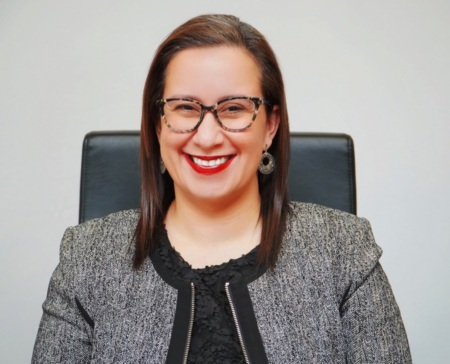
Born in the United States and raised in Ecuador, Helen Arteaga returned to Corona, Queens, in her youth. Her father, a community activist, gave her a charge she has carried ever since: “I can’t fix the whole world, but how can I help my neighbor?” That question became the guide for a career devoted to bringing quality healthcare to the New Yorkers most often denied it.
Motivated by seeing the AIDS epidemic play out in her neighborhood, she enrolled in medical school, but she withdrew following the death of her father, who had been treated for leukemia at Elmhurst Hospital even though he didn’t have health insurance. The loss focused Arteaga, pushing her toward public health—namely, improving the quality of care in Hispanic neighborhoods. Rather than becoming a physician, she earned a Master of Public Health from Columbia University.
In 2009 she turned grief into action: Working with Our Lady of Sorrows Church and community leaders, she co-founded Plaza del Sol Family Health Center in Corona. The health center brought difficult-to-access services like mental health care, mammography, gynecology, and bilingual family medicine to a neighborhood that had gone without.
Then came COVID-19, and Queens was hit especially hard in the first months. Arteaga herself contracted the virus and sought treatment at Elmhurst, the same hospital where her father died, and the same hospital seen on the nightly news across the nation for its rationed ventilators and the refrigerated truck outside, holding the bodies of COVID’s early victims.
She recovered. And then, in February 2021, after 21 interviews, she was chosen from a field of 300 applicants to be the CEO of Elmhurst, becoming its first female and first Hispanic top executive. Her tenure was defined by the same empathy that shaped her path into that role.
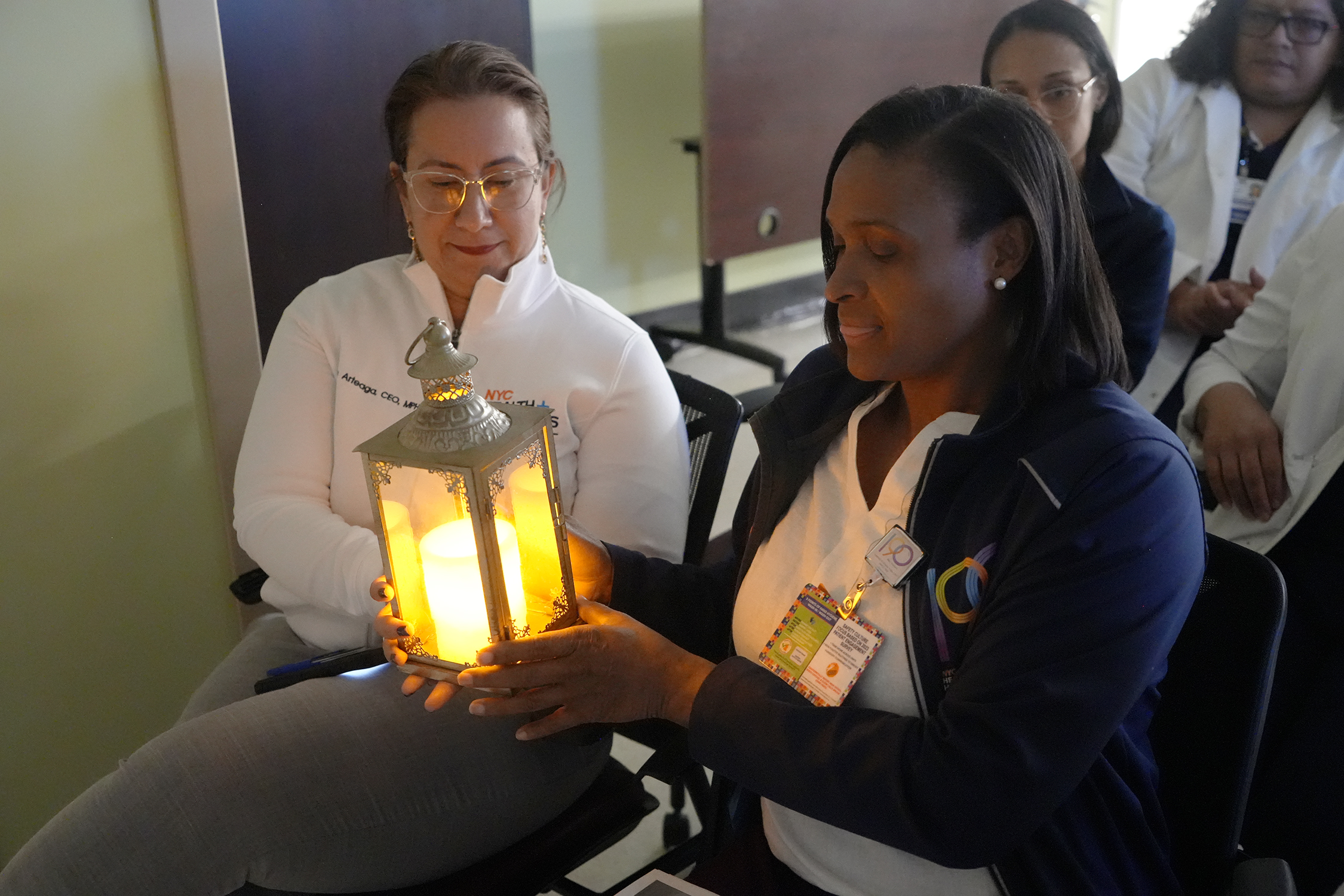 When many of Elmhurst’s staff were hesitant to get the COVID vaccine, she personally met with every employee who had concerns. This effort paid off: Vaccine uptake increased among hospital staff. And when 165 medical interns and residents went on strike in 2023—the first physician strike at a New York City hospital in more than 30 years—Arteaga helped broker a resolution that included an 18% wage increase over three years.
And at the same time, Arteaga continued her formal education, earning her doctorate in Public Health from CUNY. Her dissertation, reflecting her experience as CEO and her lifelong dedication to public health, was titled, “Understanding Influenza Vaccine Hesitancy and Uptake Among U.S. Hispanic Adults During the Covid-19 Pandemic.”
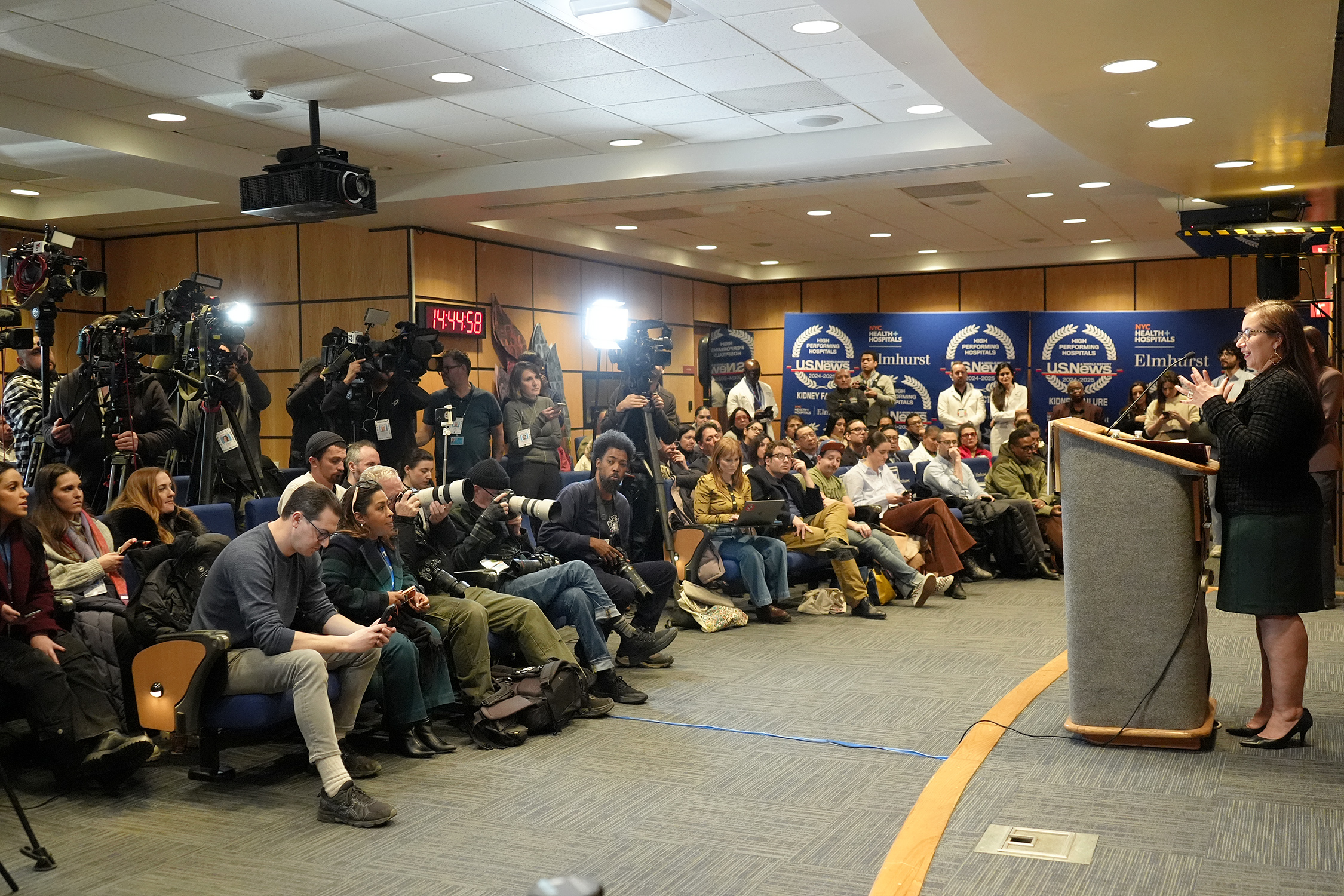 In January 2026, NYC Mayor Zohran Mamdani appointed her Deputy Mayor for Health and Human Services, a role overseeing the city’s hospitals, social services, aging, veterans’ services, youth programs, and more. At her appointment announcement, standing in the same hospital where her father died and where she herself survived a pandemic, her voice caught as she looked up from the lectern and said: “Madre, tu sacrificio valió la pena.” Mom, your sacrifice was worth it.
Helen Arteaga didn’t just choose to serve underserved communities. She came from one—and has spent her career making sure the city she loves makes good on its promises to people like the ones who raised her.
PCDC is honored to present Dr. Helen Arteaga with the PCDC Impact Award at our 2026 Gala on June 1, in recognition of her service on the PCDC Board of Directors and to the entirety of New York City. Join us at the Gala to celebrate her successes and connect with other primary care leaders.
This article relies, with gratitude, on reporting from Healthbeat, NBC News, and THE CITY.